
Comprehensive Eye Exams in Pea Ridge
Most patients leave their last eye exam wondering what they actually got. We do it differently — longer appointments, real explanations, and a doctor who walks you through every finding.
What sets our comprehensive eye exams apart.
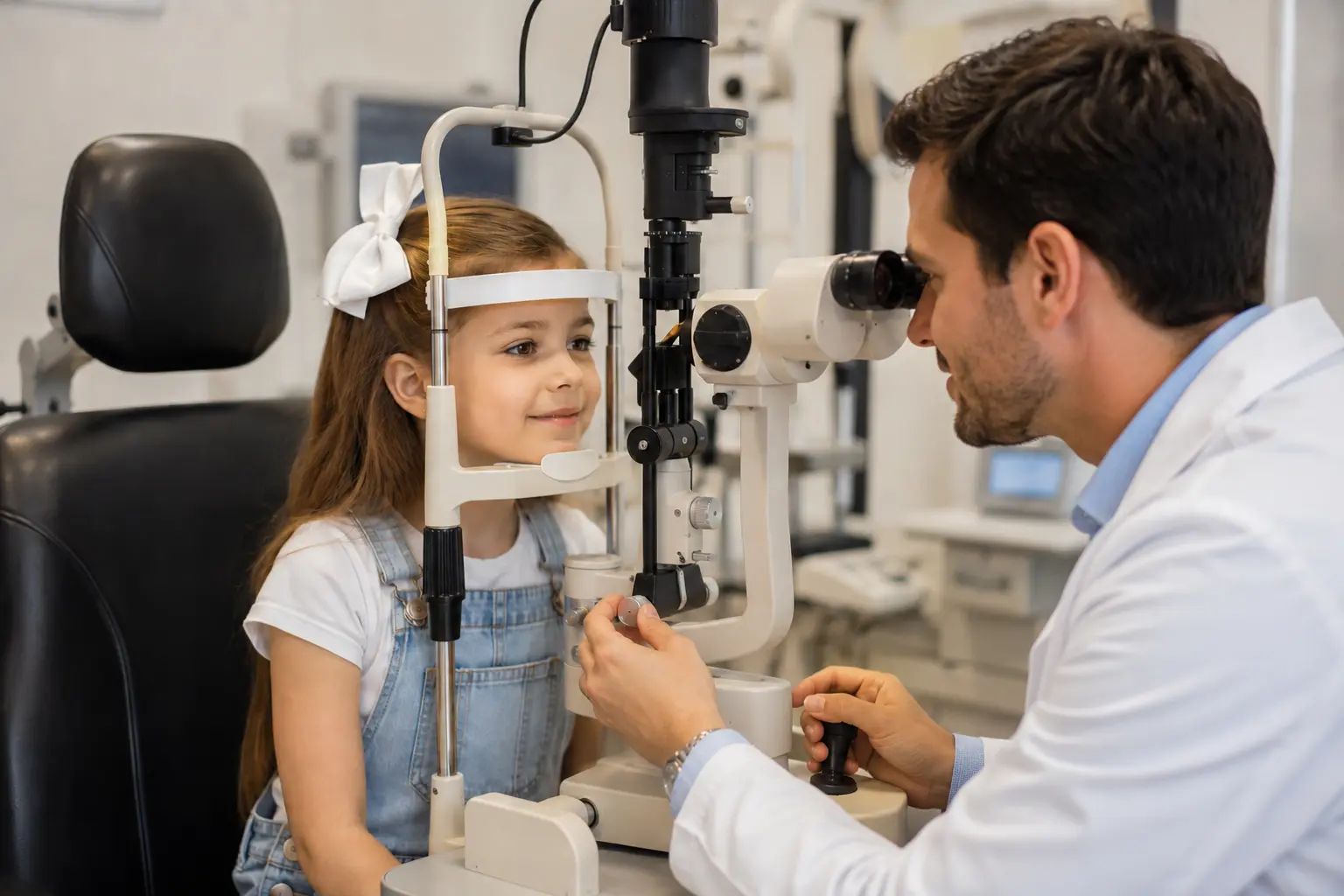
A comprehensive eye exam at Ozark Eye isn't a 15-minute pass through a vision-test machine. Dr. Daiber spends 45 to 60 minutes with you, runs the full screening, and explains what every test means before you leave.
Visual acuity & refraction
How well you see at various distances, and your exact prescription if you need correction.
Eye health screening
We check the front and back of your eyes for cataracts, glaucoma signs, macular issues, and more.
OCT imaging (when indicated)
High-resolution retinal scans that detect issues years before symptoms appear.
Eye coordination & focus
How your eyes work together — critical for kids, students, and anyone with headaches.
Your visit, step by step.
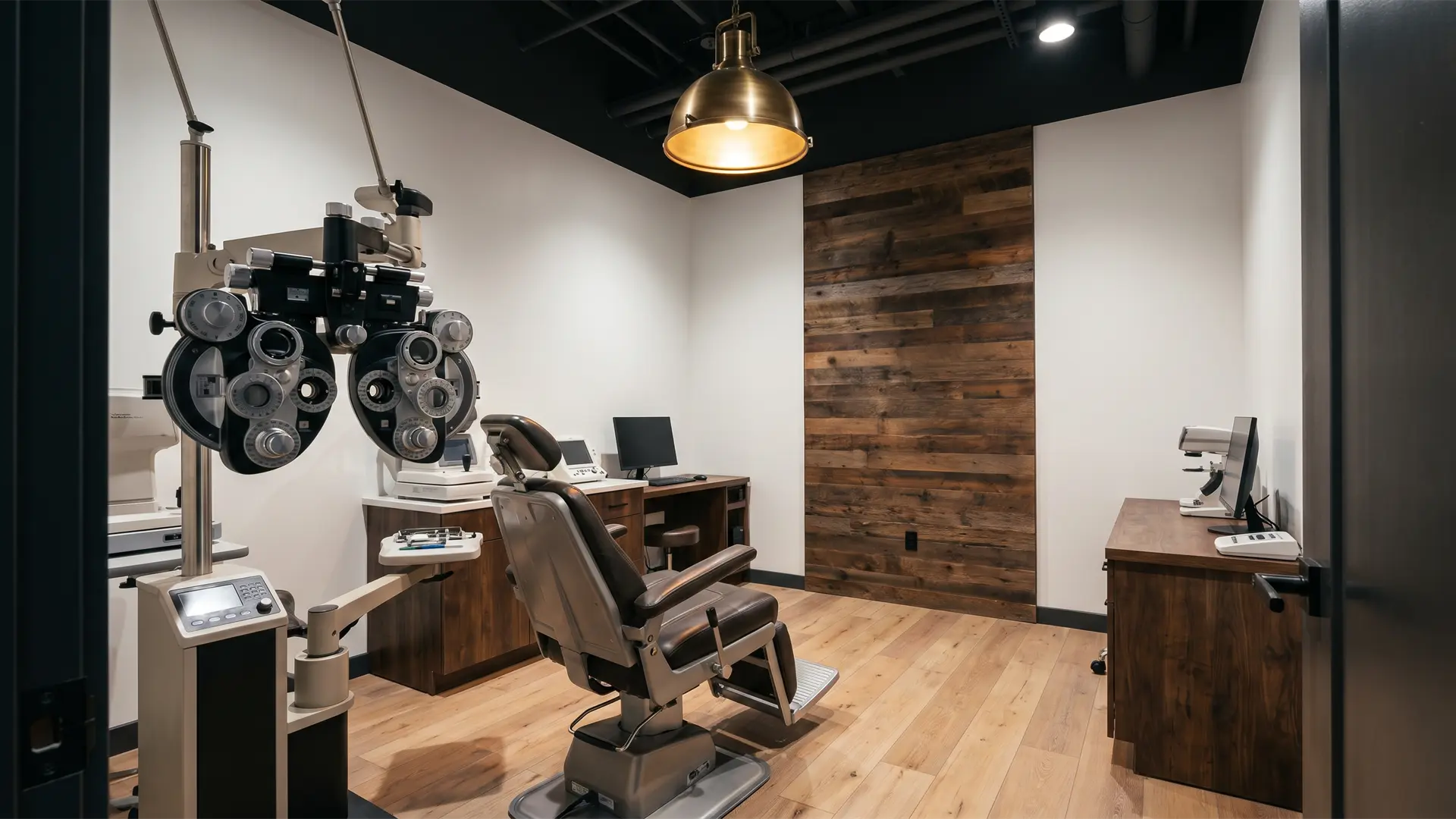
Knowing what's coming makes the appointment easier. Here's how a typical comprehensive exam goes at Ozark Eye.
Plan for 45 to 60 minutes
Bring your insurance card, photo ID, current glasses or contact lenses, and a list of any medications you're taking. If you've had previous eye care, your last prescription is helpful but not required. New patients can complete intake paperwork online before arriving to save time.
Vision, prescription, and full eye-health screening
We start with vision testing and refraction to pin down your exact prescription, then move to the health portion — pressure check for glaucoma risk, slit-lamp evaluation of the front of the eye, and a look at the retina and optic nerve. If indicated, we'll use OCT imaging to see structures underneath the retinal surface that a basic exam can't reach.
A real conversation about your findings
Dr. Daiber walks you through what he saw, answers your questions, and writes any prescription on the spot. If something needs follow-up — a dry-eye evaluation, a specialty lens fitting, a referral for surgical care — you'll leave with a clear next step. No guesswork, no "we'll send a portal message later."
What an exam finds that you can't.
Clear vision doesn't mean healthy eyes. Many of the conditions we screen for — glaucoma, diabetic retinopathy, early macular degeneration, retinal tears — progress silently and don't affect your central vision until they're already advanced.
A comprehensive exam is also one of the few places systemic health conditions show up first. High blood pressure, diabetes, and even some neurological issues leave visible signs in the retina before they show up anywhere else. That's why we examine the eye health of every patient, not just the prescription.
Read more: Why regular eye exams matter — even with perfect vision →
Common questions about comprehensive eye exams
How long does a comprehensive eye exam take?+
Most exams take 45 to 60 minutes. We don't rush — that's the difference.
What's the difference between a vision screening and a comprehensive eye exam?+
A vision screening (like the one at the DMV or a school nurse's office) checks whether you can read an eye chart. A comprehensive eye exam evaluates your vision and the health of your eyes — checking pressure, examining the retina and optic nerve, and looking for early signs of disease. Screenings catch obvious problems. Comprehensive exams catch silent ones.
Does insurance cover an eye exam?+
Most vision insurance plans cover an annual comprehensive exam. We accept 23+ plans including VSP, EyeMed, Blue Cross Blue Shield, Davis Vision, Medicare, Arkansas Medicaid, Superior Vision, Aetna, Humana, UnitedHealthcare, Cigna, and more. If you have a medical concern (dry eye, sudden vision changes, an eye injury), medical insurance often applies instead. Call us and we'll verify your benefits before your visit.
How much does an eye exam cost without insurance?+
Cash-pay pricing varies based on what's included in your exam (basic exam, contact lens fitting, OCT imaging, etc.). Call us at (479) 208-6175 and we'll give you a clear quote before you book. We believe in transparent pricing — no surprises at checkout.
Do you dilate my eyes?+
Dilation gives the clearest view of the retina and is the gold standard for screening eye disease. We'll discuss whether it's needed for your visit and offer alternatives like OCT imaging when appropriate. If you're dilated, plan for blurred near vision and light sensitivity for 2 to 4 hours afterward — bring sunglasses, and don't drive if you can avoid it.
What if I need glasses or contacts?+
We'll write your prescription on the spot. You can browse our in-office optical, take the prescription anywhere you'd like, or do a contact lens fitting at the same visit. Your prescription, your choice.
How often should I get an eye exam?+
Healthy adults: every 1 to 2 years. Annual exams are recommended if you have diabetes, glaucoma risk factors, a family history of eye disease, wear contact lenses, are over 60, or notice vision changes. Children should be examined at 6 months, age 3, before kindergarten, and annually after that.
Do I need a referral to schedule a comprehensive exam?+
No referral needed for most plans. If your specific insurance requires one, our staff can help you sort it out — just give us a call before booking.
Ready to get started?
Book a comprehensive eye exams appointment online or call us directly. New patients welcome.
Let's see what good vision can do.
Book online in under a minute, or call us directly. New patients welcome.